
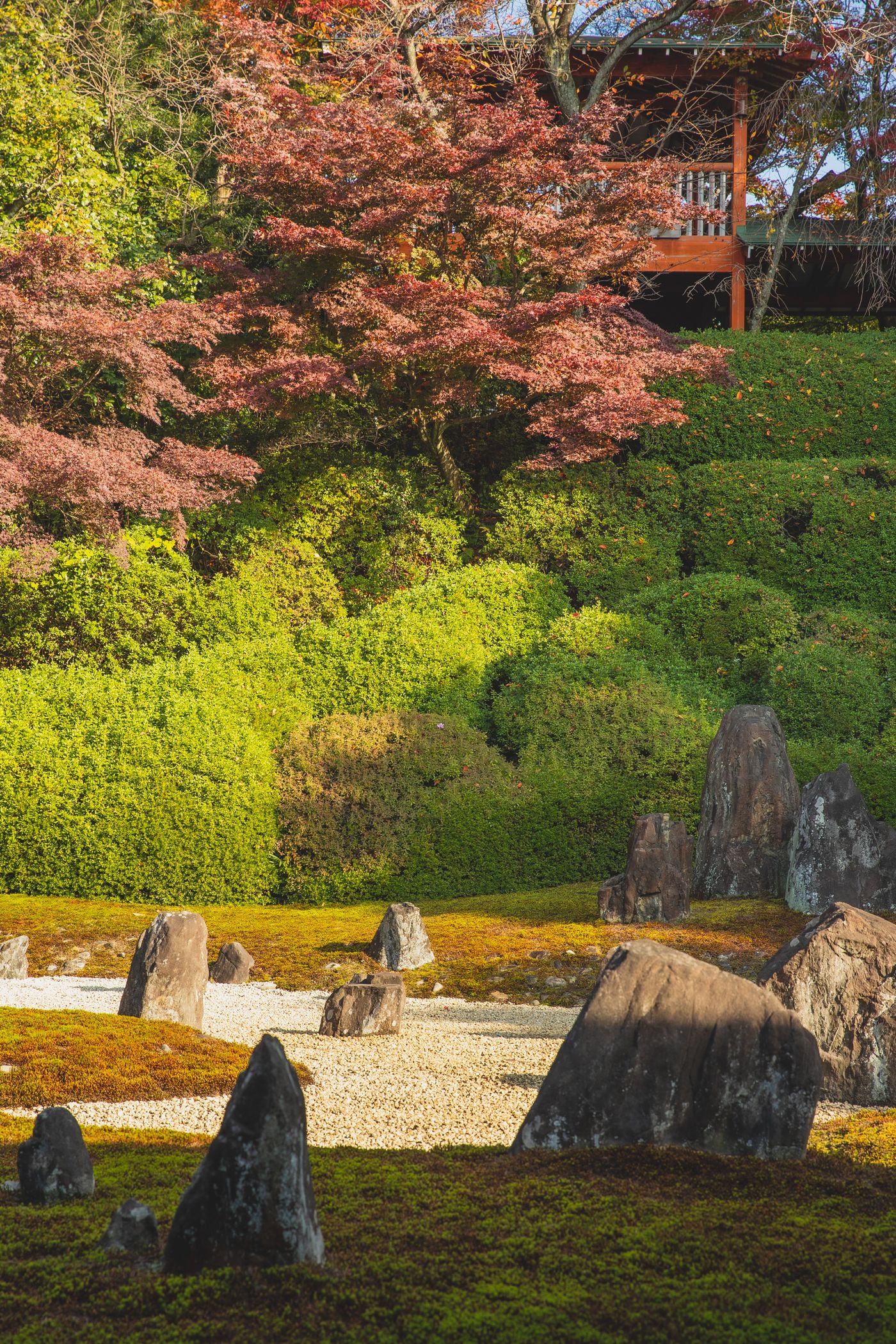
Give each boulder a reason to be there
A landscape boulder can anchor a planting bed, mark an entrance, shape a garden composition, frame a view, or create a natural transition between elevations. Define the purpose before selecting a piece. A focal boulder should read clearly from important viewpoints, while supporting stones may work best as a quieter group.
Stand at windows, doors, patios, sidewalks, and the street to identify the angles that matter. Mark the proposed location and photograph it with a person, chair, or measured stake for scale. Consider how shrubs and perennials will grow around the stone over time. A boulder that feels prominent in an empty bed may disappear as plants mature.
When a boulder sits beside a low wall, choose landscape wall stone in a color family that ties the two together.
Before you buy, plan the boulder placement and the route the stone will take to reach it.
Compare shape from every visible side
Boulders are three-dimensional objects, so inspect more than the most attractive face. Look at overall silhouette, flat areas, projections, color bands, weathered surfaces, and potential orientation. Ask which face can be presented and whether part of the stone may be set below the finished grade to make the placement feel grounded. The installer should determine the safe and practical orientation.
Relate the stone to nearby materials without demanding an exact match. Repeating a color family, texture, or geological character can tie a boulder to walls and paving. If using a group, compare pieces together and vary their roles while keeping a visible relationship among them.
Select with placement in mind
Measure the available area and note slopes, drainage, roots, utilities, property lines, and clearances from structures or paths. Share access photos with the supplier and installer before purchase. The stone’s listed dimensions may not fully describe the space needed to handle and orient it, so the placement team should review the actual piece and route.
Ask how the boulder is identified, priced, loaded, delivered, and transferred to the placement equipment. Confirm whether you are purchasing the exact stone you inspected and label photos from multiple sides. Discuss delivery and placement responsibilities in writing. Before purchasing, ask the installer whether the planned orientation leaves practical room for planting, drainage, and future maintenance around the stone. Choosing a boulder is successful when the form suits the composition and the project team can safely bring that exact piece to its intended position.
Put your ideas into practice
Landscape Boulders
Use large natural stone as a focal point, with placement and access planned before ordering.
Explore the project guide →Explore your materials
Stone for your project
There are no matched stone listings available here right now. Explore the catalog and confirm the material's suitability for your project with the quarry.
Keep exploring
Walls & Landscaping
Planning Access and Placement for Landscape Boulders
Document the route, staging area, utilities, slopes, and final orientation before a landscape boulder arrives.
Read the guide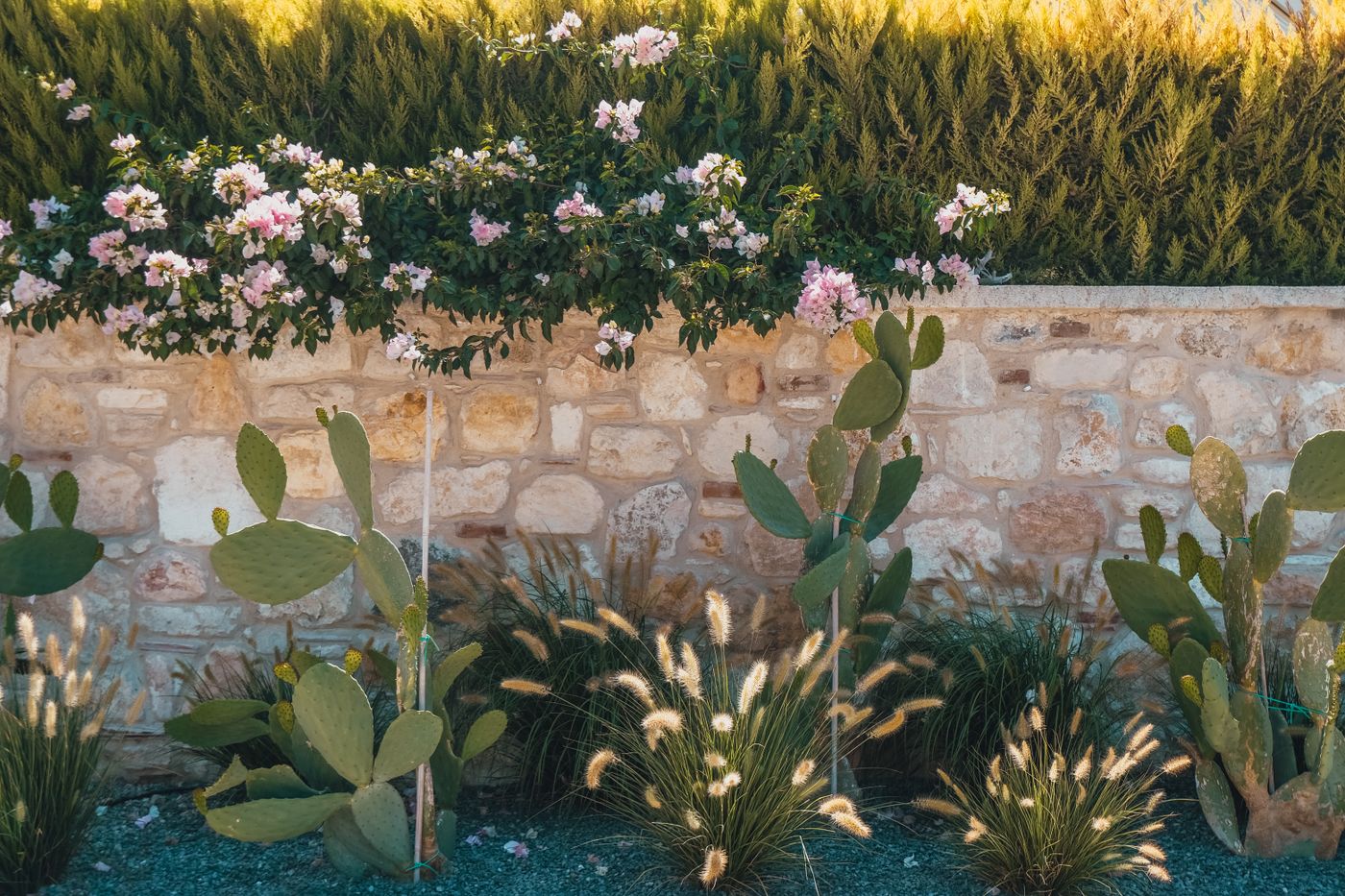
Walls & Landscaping
Choosing Landscape Wall Stone and Planning Coverage
Compare wall stone by visible face, dimensions, variation, and selling unit, then give your installer what they need to estimate quantity.
Read the guideWalls & Landscaping
Decorative or Retaining Wall? Define the Project First
Learn why a wall’s purpose, grade, and site conditions should be settled before choosing landscape stone.
Read the guide