Name the wall’s real job
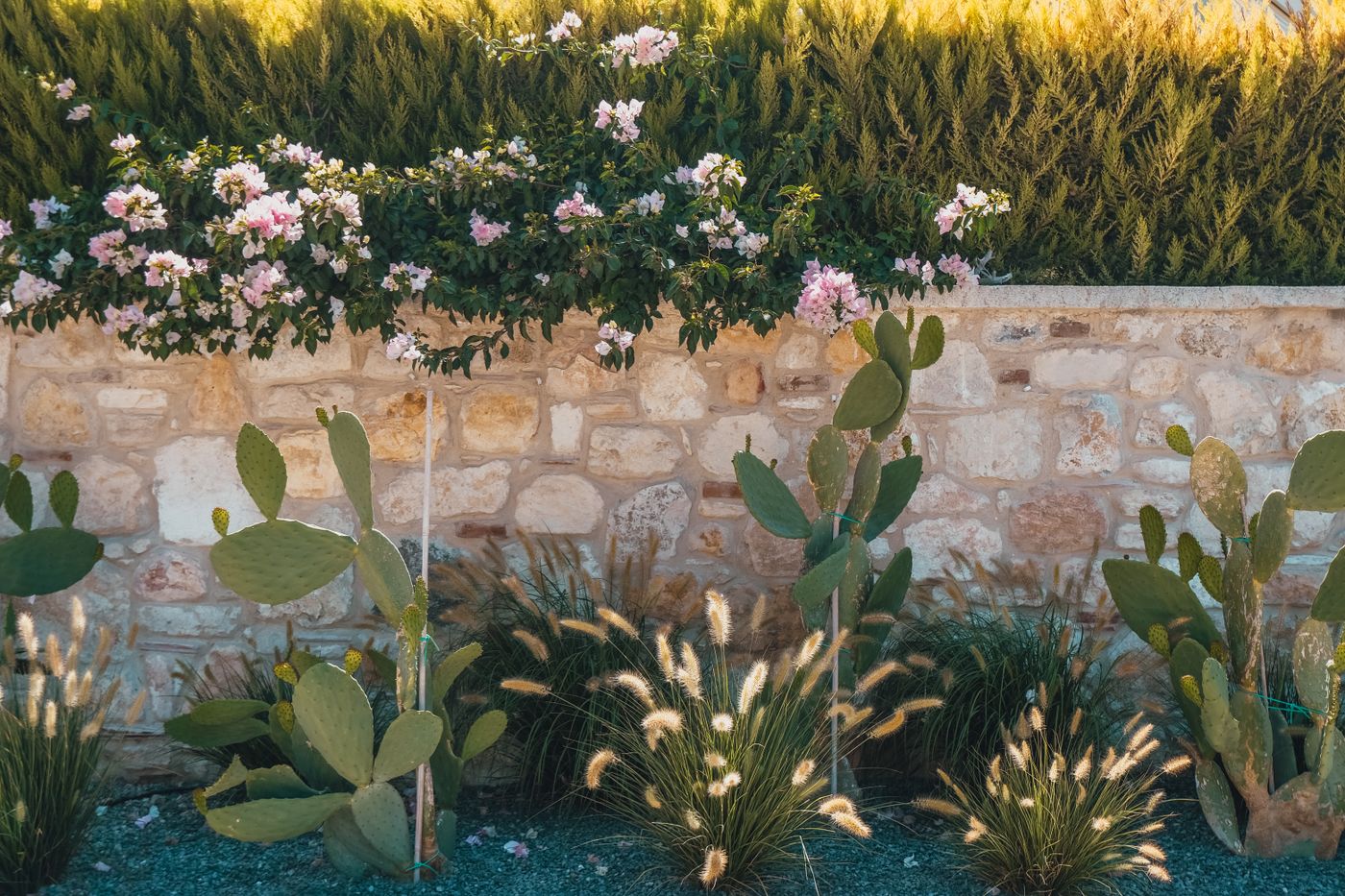
A decorative wall may frame a planting bed, define an outdoor room, create a seat-height visual edge, or add texture to a flat landscape. A retaining wall is expected to hold back soil and manage a grade difference. These purposes can look similar in a finished yard, but they lead to different planning questions. Avoid choosing stone until the purpose is clear.
Walk both sides of the proposed line. Note changes in elevation, drainage paths, downspouts, irrigation, nearby foundations, driveways, trees, utilities, and property boundaries. If soil will be retained, consult a qualified installer or design professional early. Local requirements and site conditions may affect design, permits, drainage, and construction.
Once the purpose is clear, choose the stone with our guide to landscape wall stone.
Separate appearance choices from structural decisions
You can still build a useful visual brief before technical design is complete. Decide whether the wall should feel formal or rustic, blend with the house or stand apart, and show consistent courses or more varied shapes. Photograph nearby masonry and paving in daylight. Ask the stone supplier about typical color, face texture, bed depth, piece size, and variation in the current material.
Leave structural sizing, foundation, drainage, reinforcement, wall profile, and connection details to the qualified professional responsible for the design and installation. A material that fits the desired appearance may not suit every wall system or site. Ask the designer and supplier to coordinate before the order is finalized.
Prepare for an accurate conversation
Measure the proposed length and record approximate grade changes for initial planning, then have the professional verify them. Mark corners, curves, steps, columns, wall ends, openings, and visible faces. Take wide photos that show the slope and closer photos of transitions. Describe what lies above and below the wall and how people will use nearby areas.
Ask who will calculate material quantities and who is responsible for the final design. Confirm whether coping, caps, corners, or selected face pieces are separate materials. At purchase, verify selling units, packaging, delivery access, and all quoted charges. Ask how future planting, fencing, lighting, or irrigation may interact with the completed wall. Defining the project first protects the design process: the stone can then be selected for both the visual goal and the wall system approved for the site.
Put your ideas into practice
Landscape & Retaining Walls
Explore wall materials with a clear understanding of appearance, function and site requirements.
Explore the project guide →Explore your materials
Stone for your project
There are no matched stone listings available here right now. Explore the catalog and confirm the material's suitability for your project with the quarry.
Keep exploring
Walls & Landscaping
Planning Access and Placement for Landscape Boulders
Document the route, staging area, utilities, slopes, and final orientation before a landscape boulder arrives.
Read the guideWalls & Landscaping
Selecting Landscape Boulders as Natural Accents
Choose boulders by purpose, scale, shape, color, viewing angle, and their relationship to plants and nearby hardscape.
Read the guideWalls & Landscaping
Choosing Landscape Wall Stone and Planning Coverage
Compare wall stone by visible face, dimensions, variation, and selling unit, then give your installer what they need to estimate quantity.
Read the guide