
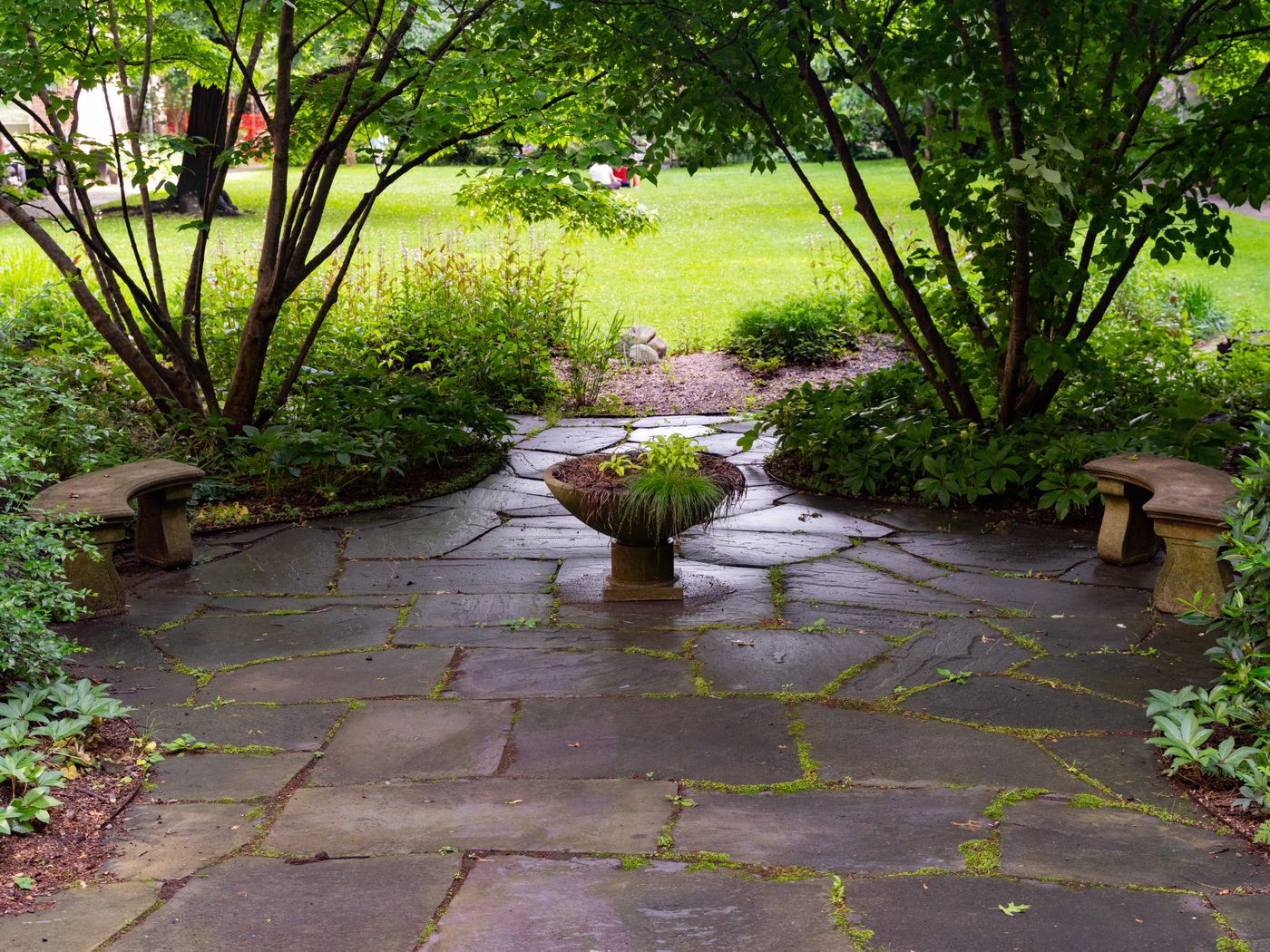
Start with how the patio will be used
A patio for a dining table has different priorities from a quiet garden sitting area. Write down the furniture, grill, planters, and traffic patterns you expect before looking at stone. A surface used for chairs and frequent walking usually benefits from pieces that can create a reasonably even field. A more informal space can accommodate stronger variation in shape and surface character. Your installer can explain how a particular stone will behave in the intended setting.
Also notice who will use the space. Small children, older adults, rolling carts, and movable chairs can make surface transitions more important. Bring these needs into the selection conversation instead of choosing only from a small sample. Natural stone varies, so ask to see several pieces or current material when possible.
Once you choose a stone, learn how much flagstone you need before you place the order.
If a path leads to the patio, our stone walkway guide helps you pick stone that matches.
Compare color, texture, and piece shape
View stone outdoors and in more than one light condition. Wetting a sample can reveal darker tones, but it does not predict every weathered appearance. Decide whether you want a narrow color family or a broad blend, and ask how much variation is normal within the material. If the patio connects to brick, siding, decking, or an existing wall, photograph those finishes in daylight and bring the images with you.
Piece shape affects the visual rhythm and the labor needed to fit a pattern. Irregular flagstone creates an organic look, while more consistently shaped pieces can support a more ordered layout. Surface texture affects both appearance and how furniture sits. Ask the supplier and installer to identify noticeable ridges, cleft variation, or thickness variation before finalizing the choice.
Prepare useful questions before ordering
Measure the patio footprint and mark fixed features such as steps, posts, drains, doors, and planting beds. Share a simple sketch with dimensions and note whether the plan includes a border or contrasting section. Ask the installer to determine the finished layout, base, joints, drainage approach, and ordering allowance for cuts and selection. Those decisions depend on the site and chosen material.
At the quarry or stone yard, ask how the material is sold, what range of sizes and thicknesses to expect, how pieces are packaged, and whether the current lot resembles the display. Confirm what is included in the quoted price and how delivery is handled. A good selection is one that fits the design, the users, the site, and the installer’s plan—not merely the stone that looks best in one photograph.
Put your ideas into practice
Flagstone Patios
Create a welcoming outdoor gathering space with natural texture and a layout that fits your home.
Explore the project guide →Explore your materials
Stone for your project
There are no matched stone listings available here right now. Explore the catalog and confirm the material's suitability for your project with the quarry.
Keep exploring
Patios & Walkways
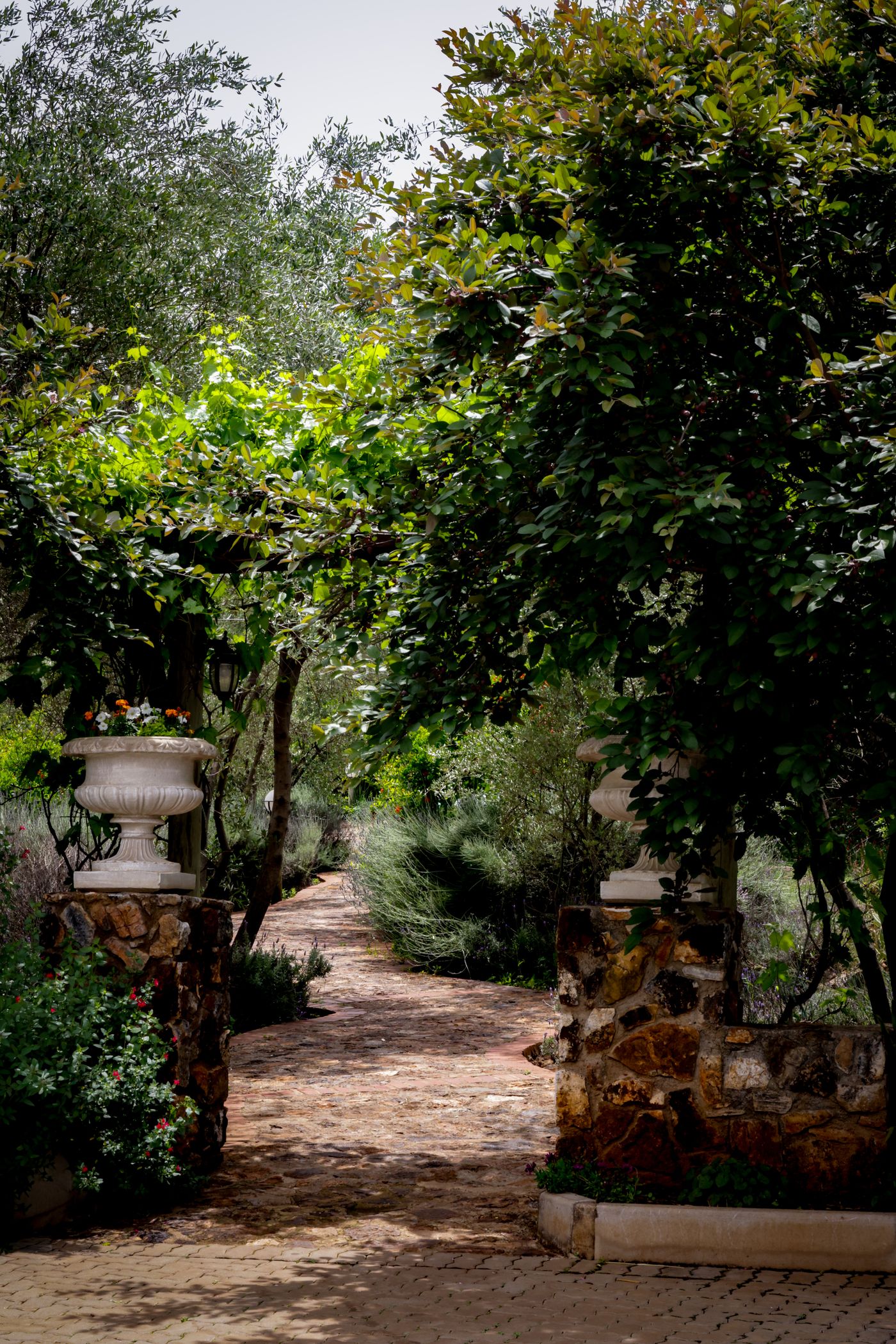
How to Choose Stone for a Walking Surface
Use surface feel, piece format, route conditions, and real samples to compare stone for paths and stepping stones.
Read the guidePatios & Walkways
Continuous or Spaced Stone Walkway: Which Fits Your Yard?
Compare continuous paths with spaced stepping stones by use, comfort, appearance, maintenance, and site conditions.
Read the guidePatios & Walkways
Planning Flagstone Coverage Before You Buy
Learn how to measure a patio, describe its layout, and get a project-specific material estimate without relying on a generic coverage number.
Read the guide