
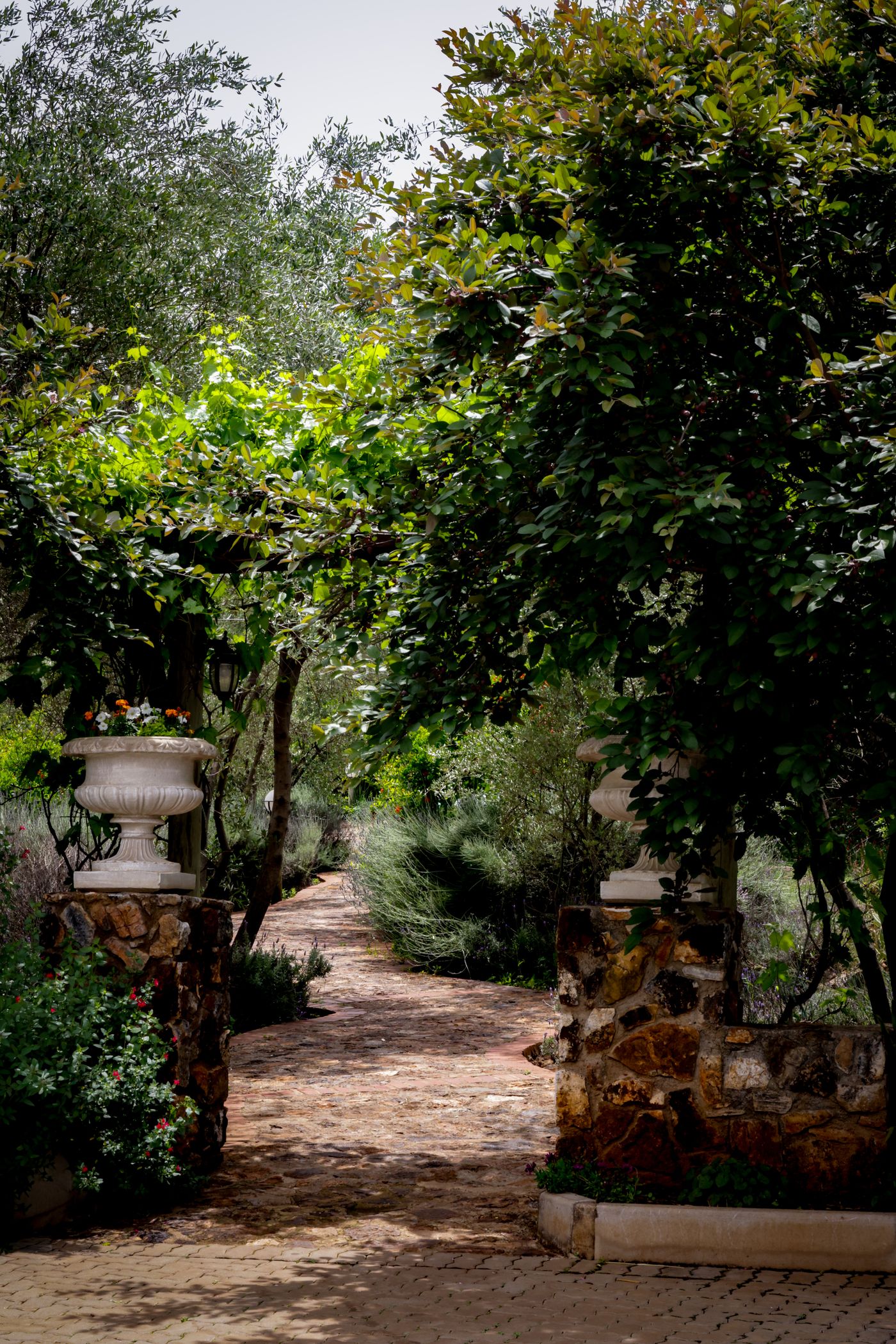
Define the performance priorities
List how often the path will be used, during which seasons, and by whom. An everyday front walk typically calls for close attention to footing, transitions, and a direct route. A garden path may prioritize discovery and visual texture. If the route will carry wheeled equipment, furniture, or garden carts, tell the installer before selecting a format.
Look at the path in wet weather and shade. Note drainage, leaf accumulation, irrigation overspray, roots, and areas that remain damp. These observations help a supplier discuss surface texture and help an installer plan the route and preparation. No sample can replace a site-specific assessment, but good notes make the comparison more useful.
If the path leads to a patio, our flagstone patio guide helps you pick stone for the seating area.
If you are torn between single steps and a solid surface, compare a stepping stone path with a continuous walkway.
A walkway often needs a border, and stone garden edging keeps the path and the bed apart.
Handle several pieces before deciding
Natural stone should be evaluated as a range, not as one perfect display piece. Compare several pieces for texture, flatness, thickness, edge shape, size, and color movement. Ask which variations are typical and which can be sorted for a particular part of the path. If you are considering stepping stones, identify whether the available pieces give a comfortable landing area for the intended users.
View the material next to nearby finishes such as porch masonry, pavers, siding, or retaining walls. Color harmony does not require an exact match; repeating one undertone or texture may be enough. Ask to see stone outdoors, and understand that wet, dusty, freshly split, and weathered surfaces can look different.
Ask questions tied to the final layout
Bring a measured route sketch showing curves, gates, steps, intersections, and changes in grade. Discuss whether the design uses a continuous field, individual steps, borders, or combinations. Ask the installer how piece size and thickness variation affect fitting, transitions, and labor. The installer should also determine the base, drainage treatment, joint approach, and any site-specific safety details.
Ask the seller how the chosen stone is packaged and sold, whether the current inventory is similar to samples, and what quantity information is available for that material. Confirm delivery access and where the load can be placed without blocking work or damaging property. Choose after weighing walking comfort, appearance, maintenance, site fit, and installation plan together. A beautiful stone that conflicts with the route’s daily use is rarely the best value.
Put your ideas into practice
Walkways & Stepping Stones
Connect the places you use every day with a stone path that suits your garden and the people walking through it.
Explore the project guide →Explore your materials
Stone for your project
There are no matched stone listings available here right now. Explore the catalog and confirm the material's suitability for your project with the quarry.
Keep exploring
Patios & Walkways
Continuous or Spaced Stone Walkway: Which Fits Your Yard?
Compare continuous paths with spaced stepping stones by use, comfort, appearance, maintenance, and site conditions.
Read the guide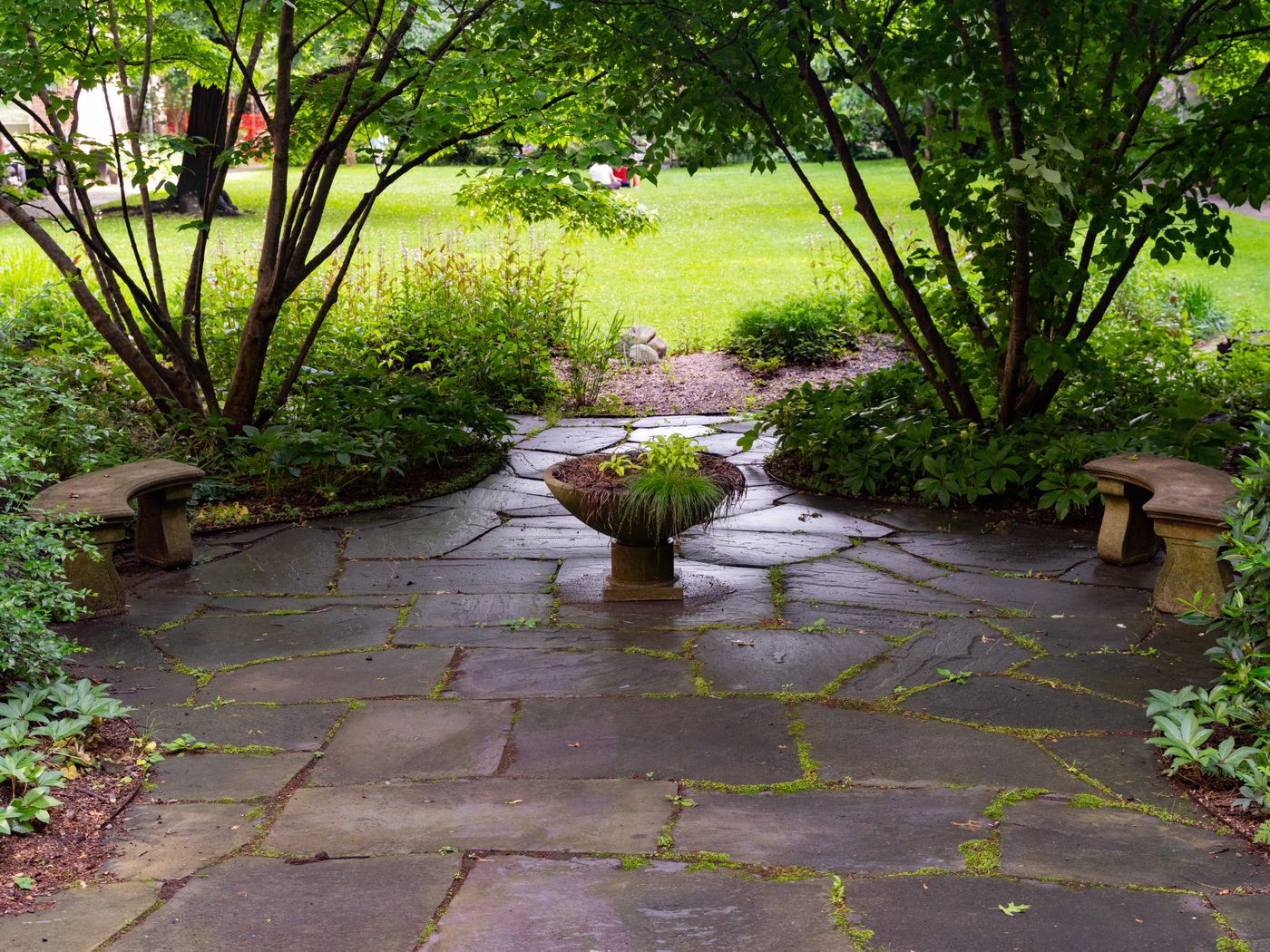
Patios & Walkways
Planning Flagstone Coverage Before You Buy
Learn how to measure a patio, describe its layout, and get a project-specific material estimate without relying on a generic coverage number.
Read the guidePatios & Walkways
How to Choose Flagstone for a Patio
A practical way to compare flagstone by appearance, walking comfort, layout, and the questions that matter before ordering.
Read the guide